What My Internship Taught Me About How Developers Really Work
I'll be honest about what I believed when my internship started.
I thought I knew what a software developer's day looked like. Write code, fight bugs, repeat. Then I sat next to real developers, and what I saw surprised me. People were giving prompts and getting working things back. It was fast, and it looked easy.
My first reaction was a bit arrogant. If this is how it works, what will I learn here?
Then I got my own project
I built something like CrazyGames. I signed an NDA, so I can't tell you how it was built or what's inside it. That part stays with me. What I can tell you is what it did to my thinking.
When the project landed on me, I thought it would be easy. I had the tools and I had access, and I sat down expecting to prompt my way through.
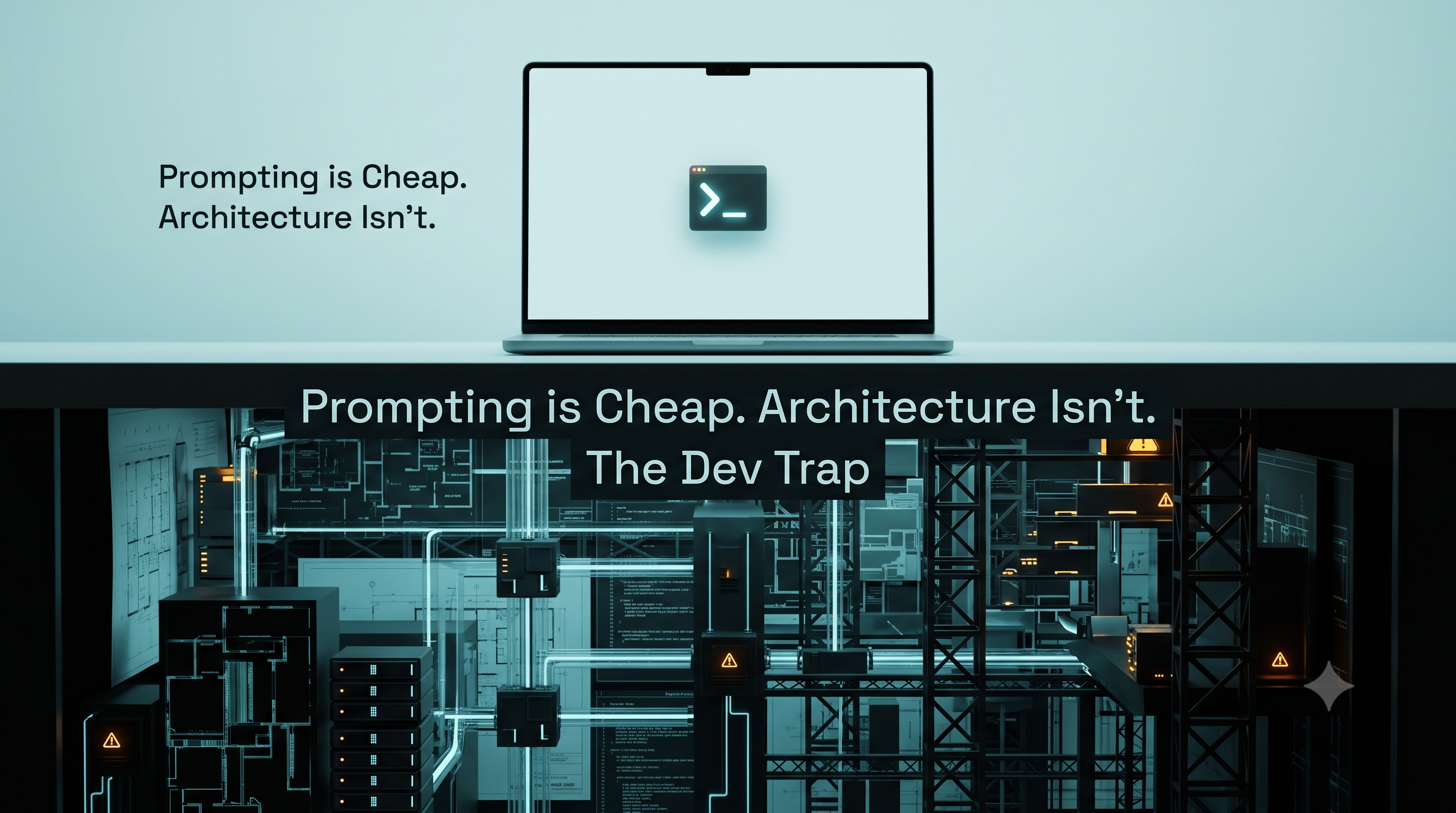
That was the trap.
You do get access to whatever you need. But you also get limits, and you get a task. Inside those limits you have to build the product, and it also has to scale. That last part changes everything. Making something work is one thing. Making it keep working when it grows, under rules you didn't choose, is a different job.
What I finally understood
Somewhere in the middle of the project it clicked. The prompt was never the hard part.
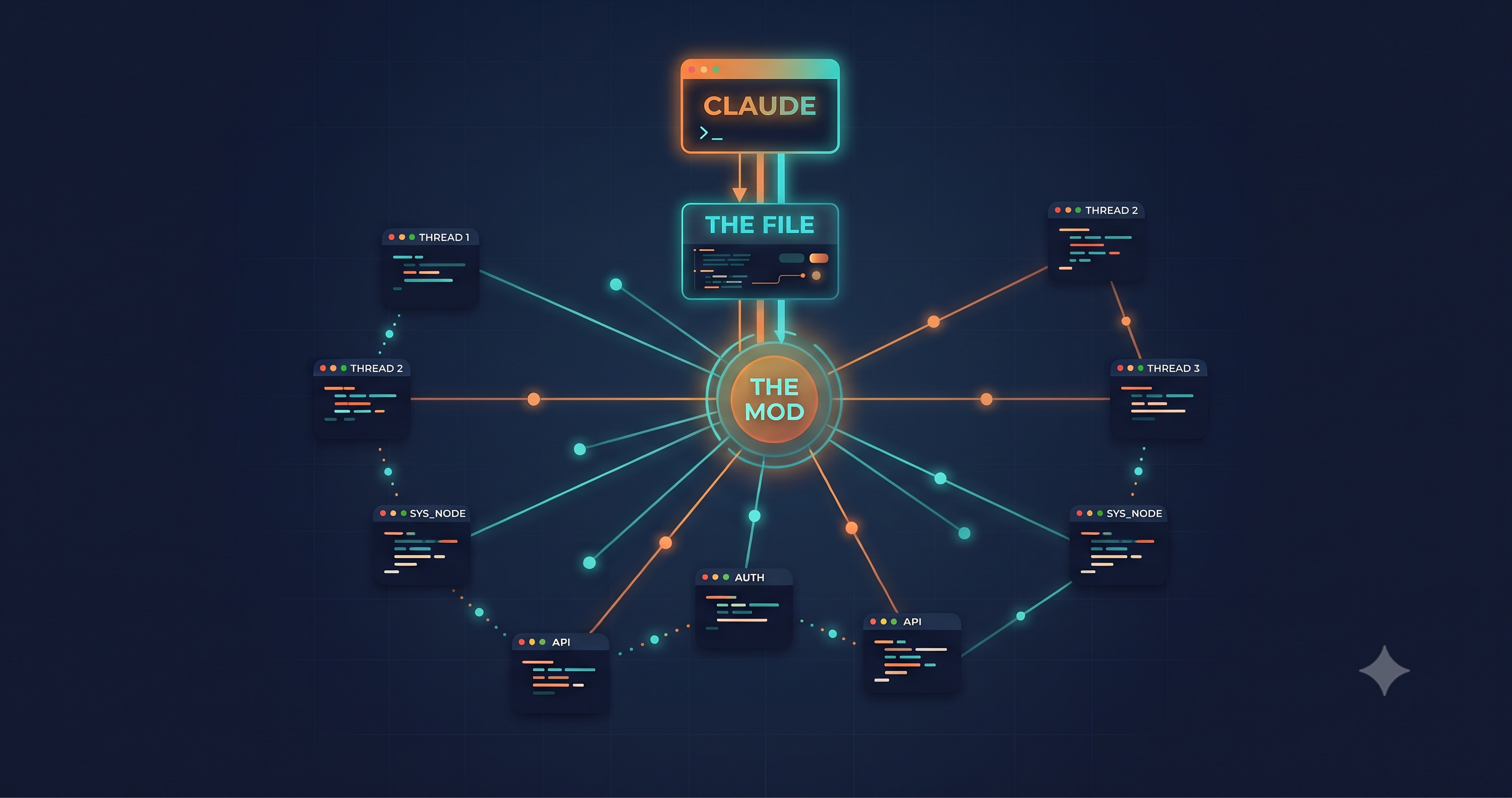
The real work was deciding on the architecture. Once I chose it, my job was to make everything follow it. Underneath, an abstraction layer was doing a lot of the heavy lifting, and I was working on top of it.
That's when the people I'd watched made sense to me. They weren't just typing prompts. They already knew what to ask for, and they knew what a good answer looked like and what would break later. The prompts looked easy from outside because the judgment behind them was invisible.
What I take from this
I came in thinking tools would replace the skill. I left thinking they move where the skill sits.
Writing code is getting cheaper. Understanding systems, choosing well, and working inside constraints is not.
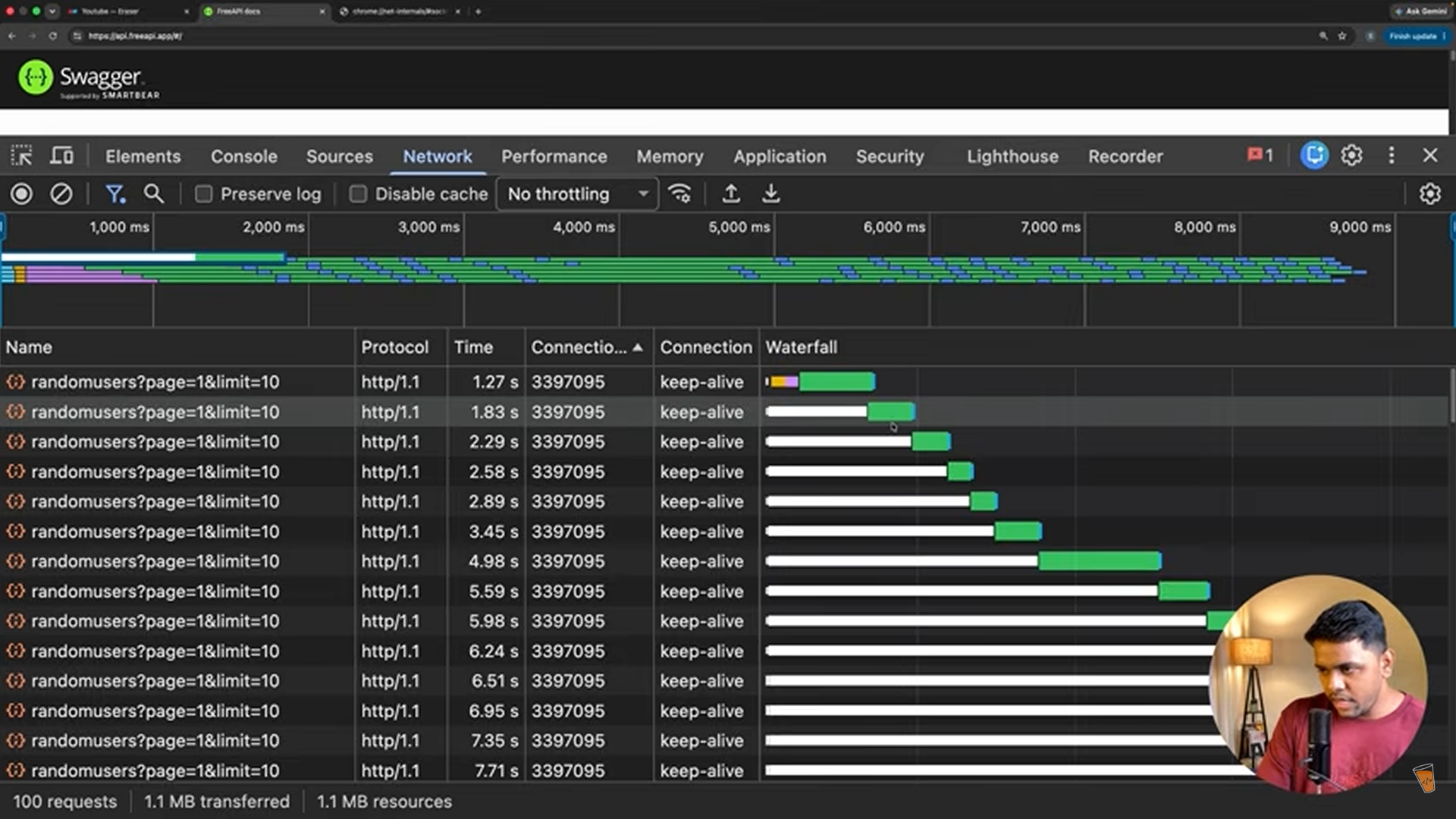
If you want to see this shift from another angle, this video helped me put words to what I felt:
The Collapse of AI Software Engineering
What I'm still figuring out
I don't have this all worked out. I still have a lot to learn about building things that scale, and I know one project doesn't make me an expert. But I now know where to look. Next time I won't ask how fast I can get something to run. I'll ask what it has to survive.
I didn't expect an internship to change how I see my own field, but this one did.